Bruxism: The Silent Force Destroying Your Teeth
Why Fixing a Broken Tooth Is Not Enough
One of the most common mistakes in dentistry is treating the symptom while ignoring the cause.
A patient comes into the office with a cracked tooth. The tooth is repaired. A few years later, another tooth breaks. Then a crown fractures. Then a veneer chips. The cycle continues.
The real question is:
Why are the teeth breaking in the first place?
In many cases, the answer is bruxism.
At Miracle Smile Dentistry, we believe that successful dentistry requires identifying and addressing the root cause of tooth wear and fractures—not simply repairing the damage after it occurs.
What Is Bruxism?
Bruxism is the involuntary habit of clenching, grinding, or tightening the teeth.
It can occur:
- During sleep (sleep bruxism)
- During the day (awake bruxism)
- During periods of stress or concentration
- As a response to airway or sleep-related issues
Many patients have no idea they are doing it.
In fact, some patients generate forces while sleeping that are significantly stronger than those used during normal chewing.
The Signs of Bruxism
Bruxism often develops slowly over many years.
Common signs include:
- Worn Teeth: The edges of the teeth become flat, shortened, and less visible when smiling.
- Cracked Teeth: Small fractures can develop and eventually lead to large pieces of tooth breaking off.
- Broken Fillings: Restorations repeatedly fail because they are exposed to excessive force.
- Tooth Sensitivity: As enamel wears away, the teeth become more sensitive to temperature changes.
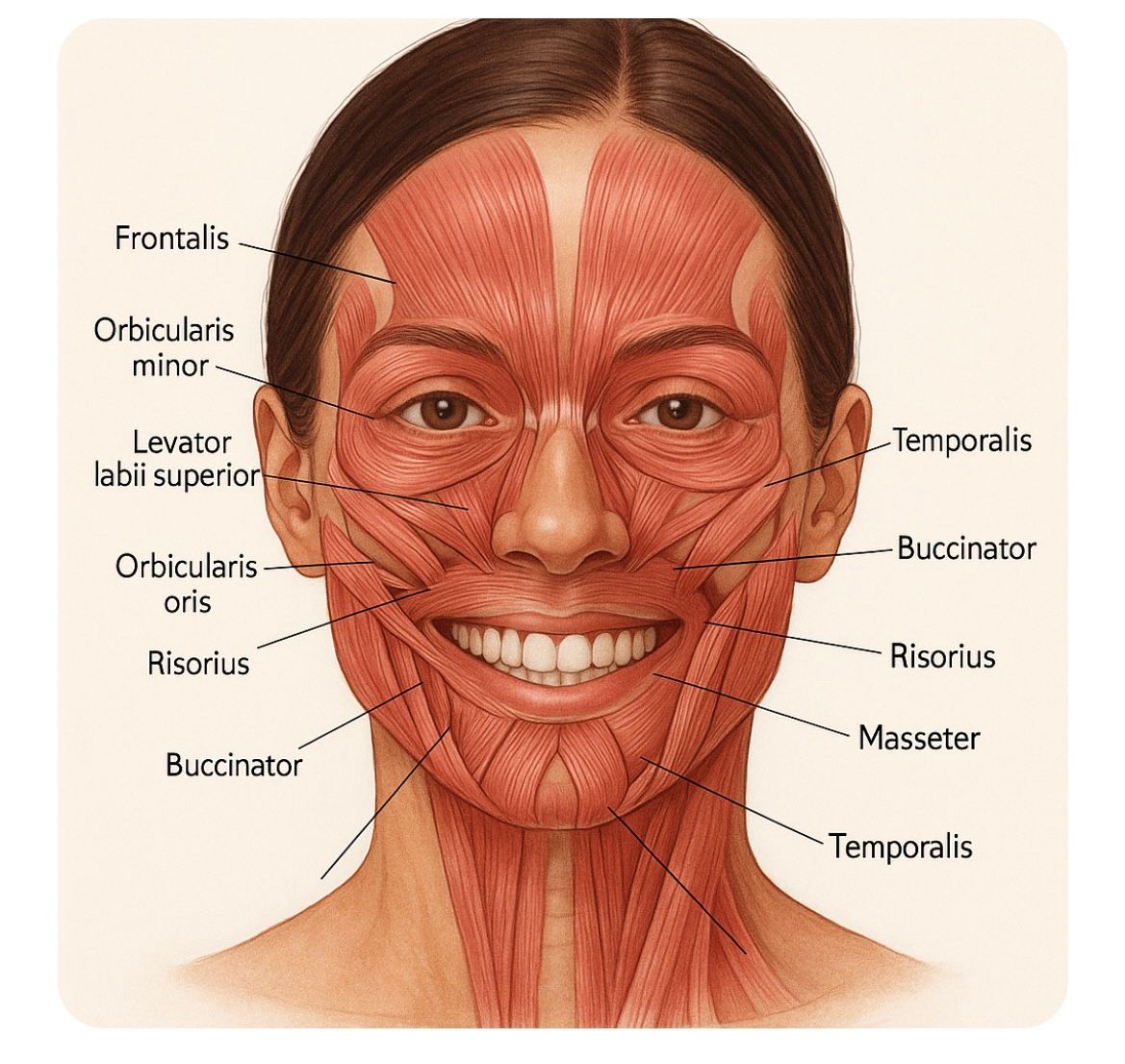
- Jaw Pain: The chewing muscles remain overworked and fatigued.
- Headaches: Many patients wake up with tension headaches caused by nighttime clenching.
- TMJ Symptoms: Bruxism can contribute to jaw joint discomfort, clicking, popping, and limited opening.
Bruxism Accelerates Dental Aging
One of the concepts emphasized by leading restorative dentists such as Francesca Vailati is that teeth naturally wear throughout life.
However, excessive wear caused by bruxism can dramatically accelerate this process.
As teeth become shorter and flatter:
- The smile appears older
- The upper teeth become less visible during speech
- The face may lose support
- The bite becomes less stable
- The risk of fractures increases
Many people associate aging with wrinkles and skin changes, but aging of the dentition is equally important.
Your teeth tell a story about the forces they have endured over the years.
A Broken Tooth Is Often a Warning Sign
When a tooth fractures, most people assume the tooth was weak. Sometimes that is true. But often the fracture is actually a warning sign that excessive forces are overwhelming the entire system. If one tooth breaks today, another may break tomorrow unless the underlying cause is addressed. This is why comprehensive evaluation is so important.
We don't just ask:
"How do we fix this tooth?"
We ask:
"Why did this tooth break?"
What Causes Bruxism?
Bruxism is complex and usually involves multiple factors.
Potential contributors include:
- Stress and Anxiety: Emotional stress can increase muscle activity and clenching behavior.
- Sleep Disorders: Airway obstruction and sleep-disordered breathing are increasingly recognized as important contributors.
- Bite Changes: Missing teeth, shifting teeth, and unstable bites may influence force distribution.
- Lifestyle Factors: Caffeine, alcohol, tobacco, and certain medications may increase grinding activity in some individuals.
How We Treat Bruxism
There is rarely a single solution.
Successful treatment often involves a combination of approaches.
- Occlusal Guards: Custom-made night guards help protect the teeth from excessive wear and fractures.
- Restorative Dentistry: Damaged teeth may require conservative restorations, onlays, crowns, or veneers to rebuild lost structure.
- Botox Therapy: For selected patients, Botox can reduce excessive muscle activity and decrease clenching intensity.
- Airway Evaluation: Some patients benefit from further investigation of sleep-related breathing disorders.
- Stress Management: Addressing lifestyle factors may help reduce daytime clenching habits.
The Goal: Preserve Your Teeth for Life
The strongest dentistry is the dentistry that prevents future damage.
A crown, veneer, filling, or implant can repair a damaged tooth.
But identifying the forces that caused the damage is what protects your smile long term.
At Miracle Smile Dentistry, we focus on understanding the entire picture—your bite, your muscles, your jaw joints, your smile, and your long-term oral health.
Because treating bruxism is not simply about stopping grinding.
It is about preserving your teeth, protecting your investment, and helping your smile age gracefully.
Concerned About Bruxism?
If you have noticed worn teeth, chipped veneers, cracked crowns, jaw pain, headaches, or signs of nighttime grinding, a comprehensive evaluation can help identify the cause before more damage occurs.
Recent Posts